855773644-LEED-v5-BD-C-Reference-Guide-Launch-Edition - Page 030
Extracted Content
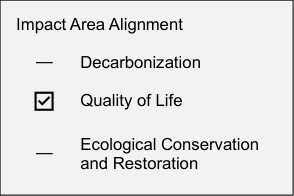
Integrative Process, Planning, and Assessments Prerequisite
CLIMATE RESILIENCE ASSESSMENT
IPp1
REQUIRED
New Construction Core and Shell
INTENT
To promote the comprehensive assessment of observed, projected, and future natural hazards for climate resilience with an aim to enhance awareness of hazards, increase transparency of risks, reduce vulnerabilities, and ensure long-term safety and sustainability.
REQUIREMENTS
| Achievement pathways | Points |
|---|---|
| New Construction and Core and Shell | N/A |
| Climate and Natural Hazard Assessment |
Complete a climate and natural hazard assessment.
As part of the assessment, identify observed, projected, and future natural hazards that could potentially affect the project site and building function. Address site-specific natural hazards, including, but not limited to, drought, extreme heat, extreme cold, flooding, hurricanes and high winds, hail, landslides, sea level rise and storm surge, tornadoes, tsunamis, wildfires and smoke, winter storms, and other relevant hazards (specify).
Identify two priority hazards, at minimum, to address through proposed design strategies. For each priority hazard, the project team must assess and specify the following:
-
Intergovernmental Panel on Climate Change emissions scenario used, specifying the shared socioeconomic pathways.
-
Projected service life of the LEED project (e.g., fiscal year 2050 or 100 years).
-
Hazard level.
-
Hazard risk rating.
-
Exposure, sensitivity, adaptive capacity, vulnerability, and overall risk levels.
-
Potential impact on the project site and building function.
-
Potential impact on the project site during construction.
U.S. Green Building Council LEED v5 Reference Guide for Building Design and Construction, April 2025 Launch Edition 20