ASHRAE+62.1-2022+(1) - Page 040
Extracted Content
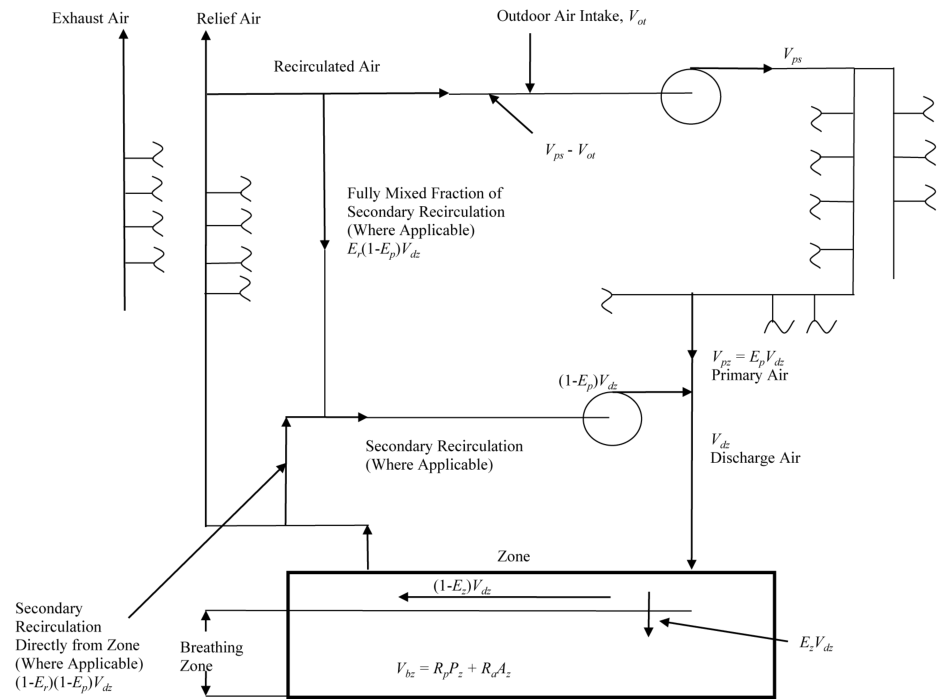
Figure A-1 Ventilation system schematic.
where Vdz is zone discharge airflow.
Informative Notes:
- For plenum return systems with secondary recirculation (e.g., fan-powered VAV with plenum return), Er is usually less than 1.0, although values may range from 0.1 to 1.2 depending on the location of the ventilation zone relative to other zones and the air handler. For ducted return systems with secondary recirculation (e.g., fan-powered VAV with ducted return), Er is typically 0.0, while for those with system-level recirculation (e.g, dual-fan dual-duct systems with ducted return), Er is typically 1.0. For other system types, Er is typically 0.75.
- For single-zone and single-supply systems, Ep is 1.0.
A1.3 System Ventilation Efficiency. The system ventilation efficiency shall equal the lowest zone ventilation efficiency among all ventilation zones served by the air handler in accordance with Equation A-9.
Ev = minimum ( Evz ) (A-9)
A2. DESIGN PROCESS
The system ventilation efficiency and therefore the outdoor air intake flow for the system ( Vot ) determined as part of the design process are based on the design and minimum expected supply airflows to individual ventilation zones as well as the design outdoor air requirements to the zones. For VAV system design purposes, zone ventilation efficiency ( Evz ) for each ventilation zone shall be found using the minimum expected zone primary airflow ( Vpz ) and using the highest expected system primary airflow ( Vps ) at the design condition analyzed.
Informative Note: Increasing the zone supply airflow values during the design process, particularly to the critical zones requiring the highest fraction of outdoor air, reduces the system outdoor air intake flow requirement determined in the calculation.
A2.1 Selecting Zones for Calculation. Zone ventilation efficiency ( Evz ) shall be calculated for all ventilation zones.
38 ANSI/ASHRAE Standard 62.1-2022