LEED v5 O+M Rating System_February 2026 - Page 053
Extracted Content
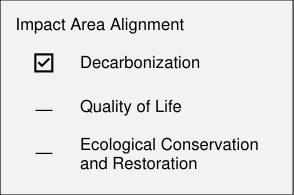
Energy and Atmosphere Credit
PEAK LOAD REDUCTION PERFORMANCE
EAc4
1 point
INTENT
To reduce the stress on the grid from peak loads, reduce greenhouse gas emissions, increase grid reliability, and make energy generation and distribution systems more affordable and more efficient.
REQUIREMENTS
| Achievement Pathways | Points |
|---|---|
Existing Buildings | 1 |
Option 1. Electric Demand Reduction | 1 |
OR | |
Option 2. Thermal Demand Reduction | 1 |
Option 1. Electric Demand Reduction (1 point)
The project must have electric interval meters that measure building electric demand at least hourly. Utility meters with monthly peak electric demand reporting capabilities are acceptable. For a building with multiple electric meters, building peak monthly demand may be determined using either monthly peak coincident demand or the sum of peak monthly demand from each meter. Tenant meters or meters without hourly interval metering capabilities may be excluded for up to 20% of the gross building area.
Report the monthly peak building electric demand for the current 12-month reporting period and for a baseline 12-month reporting period occurring within eight years before the end of the 12month reporting period. Compare the current reporting period to the baseline reporting period to demonstrate a 10% reduction in the sum of monthly peak demand for the two months with highest demand. Data may be normalized for equipment electrification.
OR
Option 2. Thermal Demand Reduction (1 point)
The project must have thermal meters or measurement devices capable of measuring and recording the following for at least 80% of the project’s total installed thermal capacity:
U.S. Green Building Council LEED v5 Reference Guide for Operations and Maintenance, November 2025 Edition 47