855773520-LEED-v5-ID-C-Reference-Guide-Launch-Edition-1 - Page 037
Extracted Content
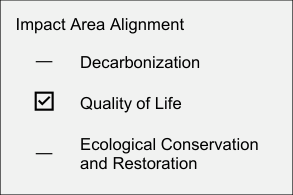
Integrative Process, Planning and Assessments Prerequisite
HUMAN IMPACT ASSESSMENT
IPp2
REQUIRED
INTENT
To ensure that project development is guided by a thorough understanding of the social context of the local community, workforce, and supply chain, helping to address potential social inequities.
REQUIREMENTS
| Achievement pathways | Points |
|---|---|
Commercial Interiors | N/A |
Human Impact Assessment |
Complete a human impact assessment that draws on relevant information from the following four specified categories, as applicable:
-
Demographics : These may include race and ethnicity, gender, age, income, employment rate, population density, education levels, household types, and identification of nearby vulnerable populations.
-
Local infrastructure and land use : This may include adjacent transportation and pedestrian infrastructure, adjacent diverse uses, relevant local or regional sustainability goals/commitments, and applicable accessibility code(s).
-
Human use and health impacts : These may include housing affordability and availability, availability of social services (e.g., healthcare, education, social support networks), community safety, local community groups, and supply chain and construction workforce protections.
-
Occupant experience : This may include opportunities for daylight, views, and operable windows; environmental conditions of air and water; and adjacent soundscapes, lighting, and wind patterns within the context of surrounding buildings (microclimate, solar scape, and neighboring structures).
-
Other: (specify)
Where possible, use the information from the assessment to inform the planning, design, and operations and maintenance of the project and describe how project-specific strategies were considered.
U.S. Green Building Council LEED v5 Reference Guide for Interior Design and Construction, April 2025 Launch Edition 26