855773520-LEED-v5-ID-C-Reference-Guide-Launch-Edition-1 - Page 109
Extracted Content
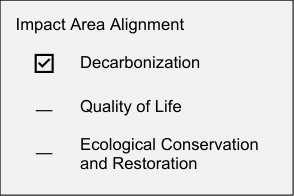
Energy and Atmosphere Prerequisite
ESTIMATED ENERGY USE AND OPERATIONAL CARBON PROJECTION
EAp1
REQUIRED
INTENT
To enable tenants and interior design teams to visualize the scale and relative impact of design decisions that will impact their project’s long-term operational carbon emissions.
REQUIREMENTS
| Achievement pathways | Points |
|---|---|
Commercial Interiors | N/A |
Provide Data on Project and Annual Energy Use | |
AND | AND |
Sign-Off on 10-Year Operational Carbon Projection | Sign-Off on 10-Year Operational Carbon Projection |
Comply with the following:
Provide Data on Project and Annual Energy Use
If the project has an energy model that includes all energy used within the project, including energy provided by base building systems, provide USGBC with the estimated annual energy use of each energy type.
If the project does not have such an energy model, provide USGBC with the following data to facilitate an annual energy calculation:
-
Project information : Occupancy type, age of building, gross area, location by zip code, and the approximate hours of occupancy on a weekly basis.
-
High-load amenity information : Include commercial kitchens, commercial laundries, data centers, etc., and the percent of gross area attributable to each.
-
Energy-related information : Lighting power density; number of LEED points pursued in reducing plug and process loads; and fuel types used for space heating, service hot water, cooking, and clothes drying as applicable.
From the data provided, USGBC will provide the project team with a rough estimate of the annual energy used of each energy type by the project.
U.S. Green Building Council LEED v5 Reference Guide for Interior Design and Construction, April 2025 Launch Edition 98