LEED v5 BD+C Rating System_November 2025_clean - Page 178
Extracted Content
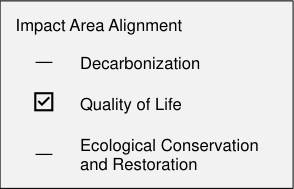
Indoor Environmental Quality Credit
AIR QUALITY TESTING AND MONITORING
EQc5
New Construction (1–2 points)
INTENT
To support better management of indoor air quality and identify opportunities for health-based approaches to building operations.
REQUIREMENTS
| Achievement Pathways | Points |
|---|---|
New Construction | 1–2 |
Option 1. Preoccupancy Air Testing | 1–2 |
Path 1. Particulate Matter and Inorganic Gases | 1 |
AND/OR | |
Path 2. Volatile Organic Compounds | 1 |
AND/OR | |
Option 2. Continuous Indoor Air Monitoring | 1 |
Option 1. Preoccupancy Air Testing (1–2 points)
After construction ends and before occupancy, but under ventilation conditions typical for occupancy, conduct baseline IAQ testing. Retail projects may conduct the testing within 14 days of occupancy. The number of measurements should be specified according to Table 1 and taken in representative locations of the building.
Table 1. Number of Measurements Required for Preoccupancy Air Testing
| Total Occupied Floor Area, sq. ft. (sq. m.) | Number of Measurements |
|---|---|
≤ 5,000 (500) | 1 |
> 5,000 (500) and ≤ 15,000 (1,500) | 2 |
> 15,000 (1,500) and ≤ 25,000 (2,500) | 3 |
> 25,000 (2,500) and ≤ 200,000 (20,000) | 4 plus 1 additional measurement per each 25,000 sq. ft. (2,500 sq. m.) above 25,000 sq. ft. |
| > 200,000 | 10 plus 1 additional measurement per each 50,000 sq. ft. (4,600 sq. m.) above 200,000 sq. ft. |
PATH 1. PARTICULATE MATTER AND INORGANIC GASES (1 POINT)
Test for the particulate matter (PM) and inorganic gases listed in Table 2 using an allowed test method and demonstrate that the contaminants do not exceed the concentration limits listed in
U.S. Green Building Council LEED v5 Reference Guide for Building Design and Construction, November 2025 Edition 171